The process: Human-centered design
Learn how Houston Endowment, Dalberg Design and Wellspring Consulting partnered with residents and nonprofit leaders to design and test community-informed approaches to citizenship support across Greater Houston.


Greater Houston is one of the most diverse regions in the country. One in four residents are foreign born, more than 145 languages are spoken here, and over 360,000 lawful permanent residents are eligible to
become U.S. citizens.
To help address barriers that keep many residents from pursuing citizenship, Houston Endowment partnered with Dalberg Design(opens in new window) and Wellspring Consulting(opens in new window) to work directly with community members to develop solutions.
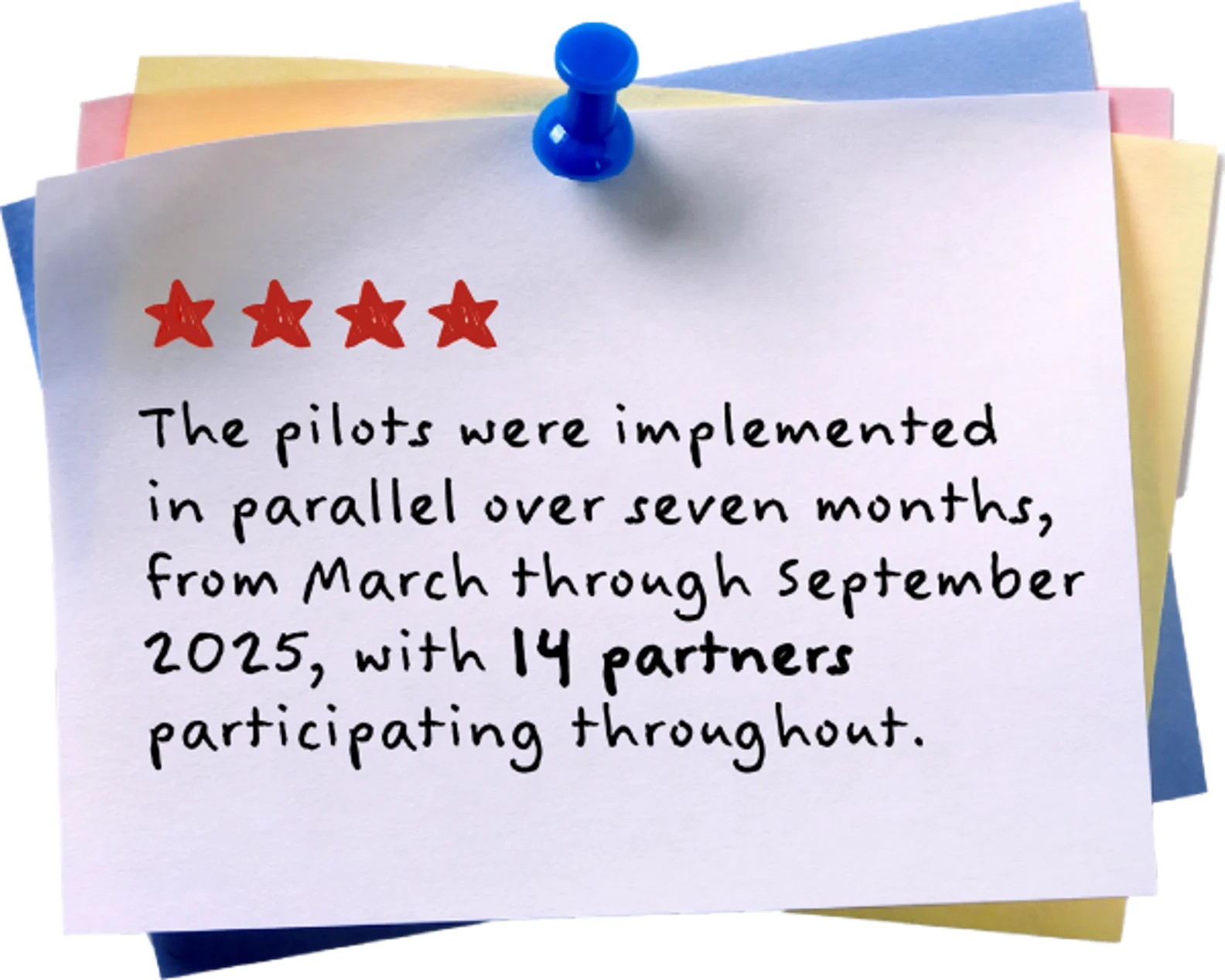
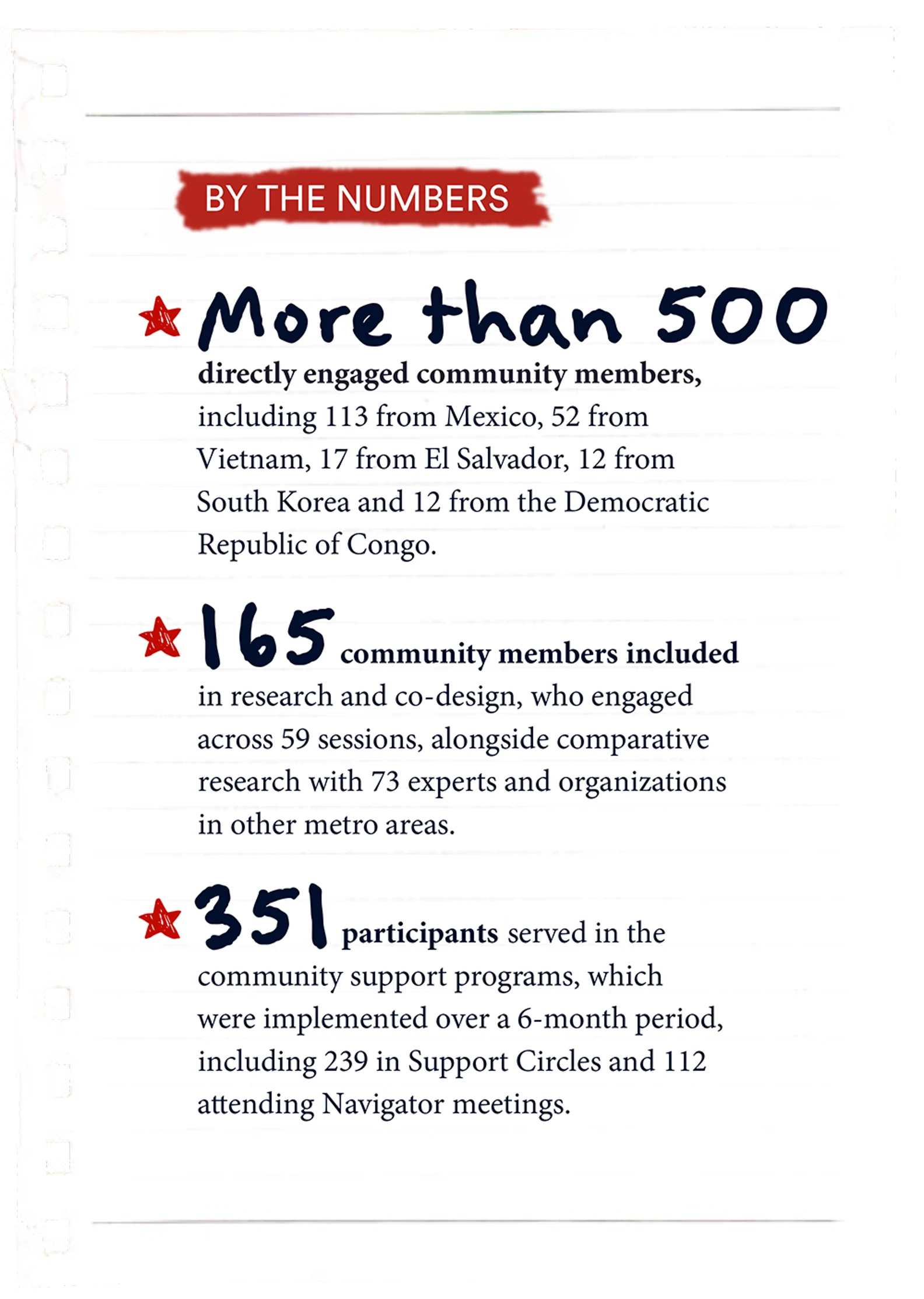
From September 2023 through December 2025, the teams collaborated with residents, nonprofit leaders, and other local partners through research, workshops, interviews, and co-design sessions. A Citizenship Advisory Committee helped guide the work throughout the process.
Together, these efforts led to three connected pilot efforts: community support programs, facilitator and navigator training, and a multilingual outreach campaign.
The project illustrates how human-centered design, organizational partnerships, and commitment to community-led decision‑making can strengthen and extend the reach of regional naturalization ecosystems.

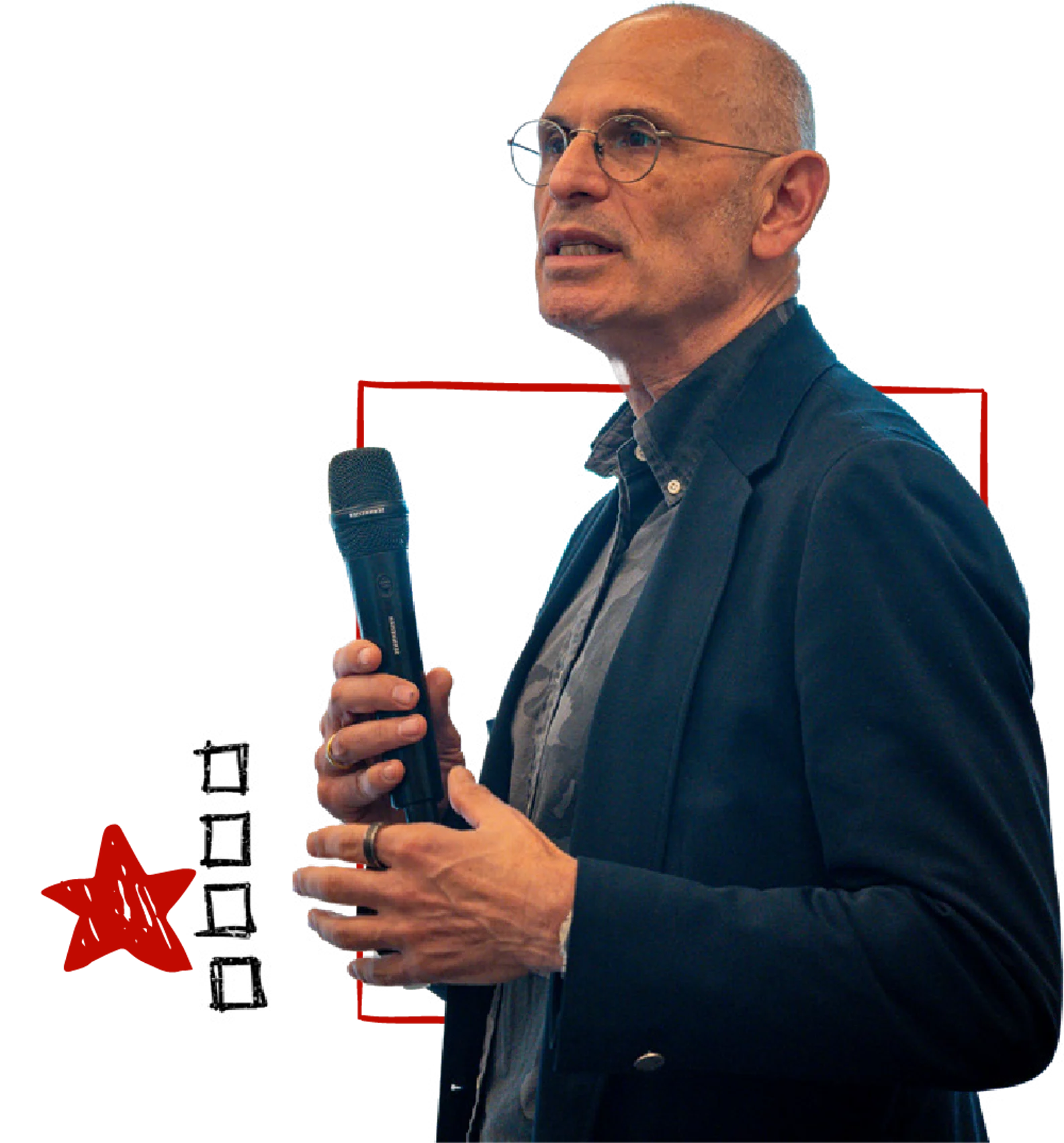
W. KaNeesha Allen, Dalberg Design
By Claudia Kolker(opens in new window)
Visiting Writer, Houston Endowment
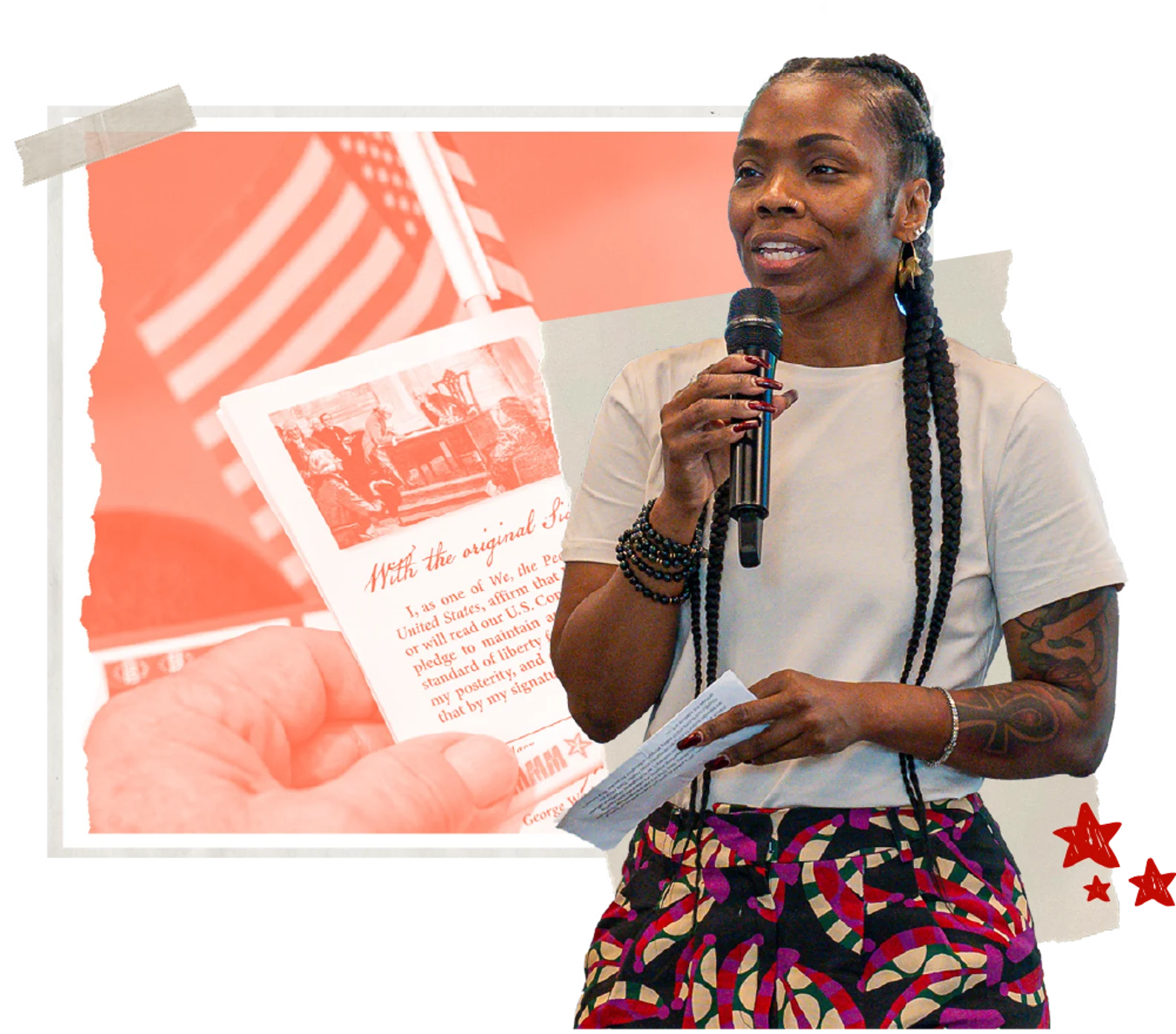
W. KaNeesha Allen(opens in new window) knows Houston’s immigrant services landscape. After a 13-year career in adult education and literacy as an ESL and citizenship instructor and nonprofit leader, she has seen it from multiple angles.
That’s why, two years ago, the designers of the Greater Houston Citizenship Project selected Allen to help lead the community engagement aspects of a uniquely ambitious mission. They wanted to learn why only about 10 percent of the Houston region’s 360,000 lawful permanent residents choose to become citizens every year.
Seeking citizenship requires applicants to demonstrate English proficiency, knowledge of U.S. history, and familiarity with American laws. Gaining insights into what motivates residents to complete this process—and what stands in their way—would enable the project to co-create and test programs to address those barriers alongside community members.
Allen understood from her own work that the barriers to naturalizing are complex and would need equally complex responses. But when the design team first invited community members to share their knowledge, they were surprised.
“One of the common themes we heard from community members was: ‘Wow. You guys are asking for input from us?’"
- W. KaNeesha Allen
“One of the common themes we heard from community members was: ‘Wow. You guys are asking for input from us?’
For individuals, gaining citizenship raises salaries, increases homeownership, enables the freedom to travel, and empowers people to vote.
“From my experience,” Allen explained, “oftentimes service agencies operate on qualitative data gathered three and four years ago. And consultants maybe have a not-so-good reputation for helicoptering in. What has been very distinctive this time is that community members have been involved in this project from the very beginning.”
Scholars and advocates have long known that naturalizing measurably benefits the whole community: naturalizations help boost GDP, strengthen public safety, and can build social cohesion. For individuals, gaining citizenship raises salaries, increases homeownership, enables the freedom to travel, and empowers people to vote. Yet the majority of those eligible have not taken the step toward citizenship.
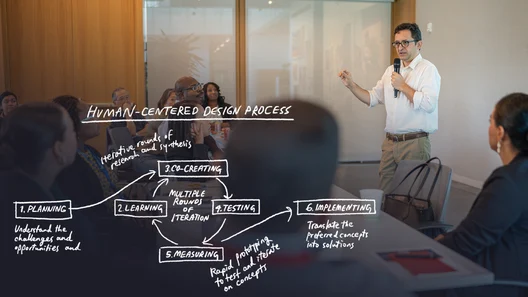
So two years ago, after a decade of investing in naturalization support, Houston Endowment partnered with two national firms, Dalberg Design and Wellspring Consulting, to probe the deeper issues shaping Houston’s naturalization landscape. Their methodology, called human-centered design, involves working side-by-side with community members to design and test pilot projects that could clear the way for more citizenship applications.

This work resulted in three pilot concepts:
Alongside the development of sustainable programs, the foundation also envisioned a broader goal for this work: strengthening Houston’s nonprofit ecosystem.
“This project allowed us to work directly with community members to uncover the unique barriers faced by eligible-to-naturalize residents in Houston, help organizations tailor their work to fit the needs of our community, and strengthen our collective impact,” explained Meghna Goswami, civic engagement program director for Houston Endowment.
The Houston Endowment team believed a human-centered design process could help connect Houston’s overworked, under-resourced immigrant-serving nonprofits—groups that work in dozens of languages and assist tens of thousands of residents from Africa, the Middle East, Asia and the Americas—into a more collaborative network.
Given the diversity of cultures represented in Houston, many organizations have long tailored their approach to meet the needs of a single community, with few opportunities to actively collaborate and learn from each other. Yet there are many commonalities in people’s perceptions and experiences with citizenship.
Two years later, the relationships built between agencies are among the project’s most consequential outcomes.
“This campaign is magnificent,” said longtime community advocate Claudia Ortega-Hogue, former president of the Houston League of Women Voters and a CAC member. “I don’t want it to end.”

Alice Min
Working together to understand and encourage citizenship journeys, several leaders said, pushed organizations to examine their own internal processes. As they did so, they learned from—and leaned on—fellow nonprofits with complementary skills, especially legal capacity.
Maybe more surprisingly, the nonprofit leaders said, the project’s main local guidance structure, the Citizenship Advisory Committees (CAC), became a reliable source of joy.
“This campaign is magnificent,” said longtime community advocate Claudia Ortega-Hogue(opens in new window), former president of the Houston League of Women Voters(opens in new window) and a CAC member. “I don’t want it to end.”
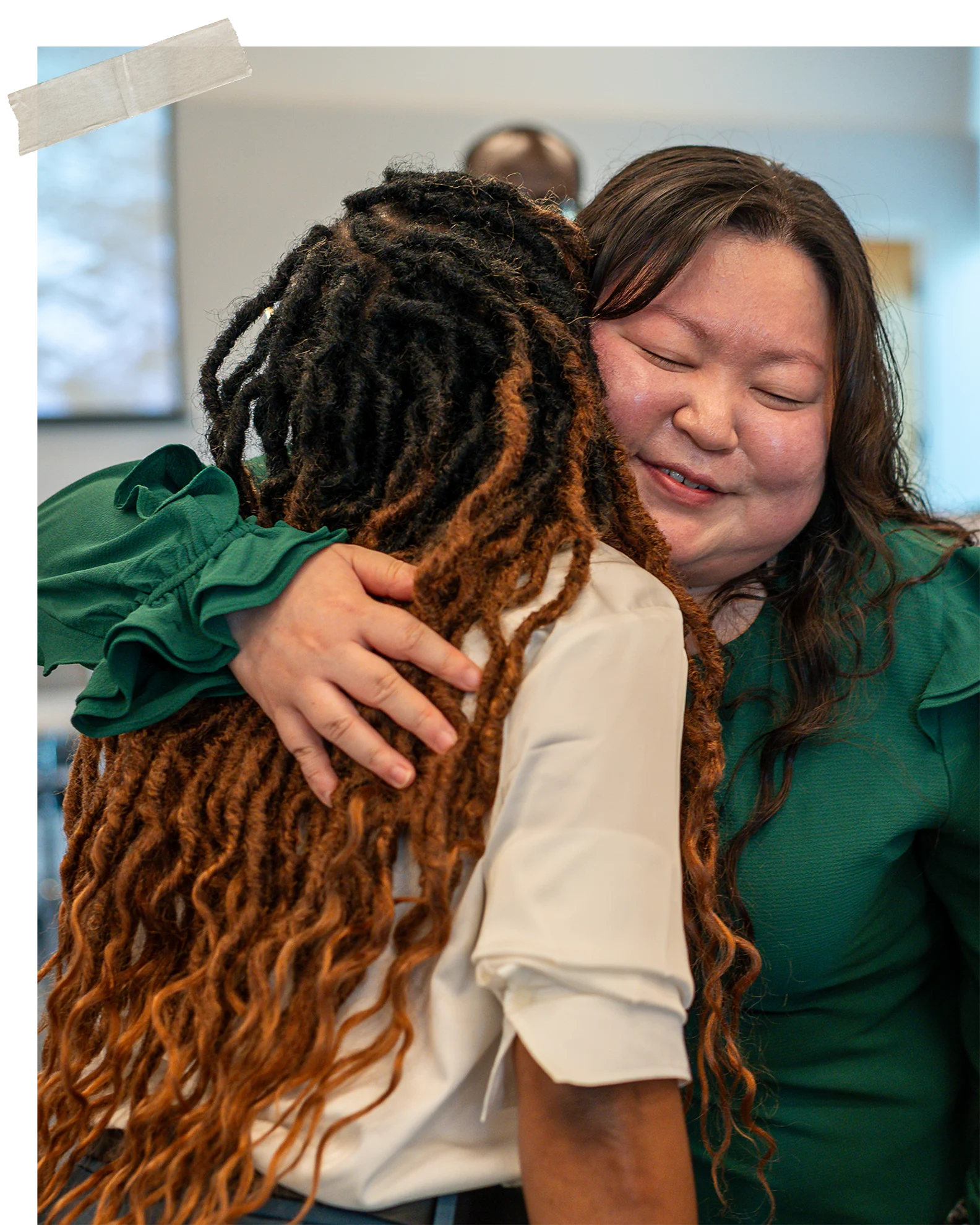
“The Citizenship Advisory Committee meetings were my happy place,” said Korean American advocate Alice Min, a CAC member and former advocate with the Spring Branch Asian-Latine service organization Woori Juntos(opens in new window) who is now working with NAKASEC TX(opens in new window). “The CAC created the safest place for us. This work makes you really tired. It’s very important work, but it gets you down a lot. Whenever we gathered, we were so happy, so supportive. We felt such similarity, even though we represented different communities and different backgrounds. There were about 25 to 30 people meeting every two or three months. We’d cry and we’d laugh.”
The bonds forged through the project have especially important policy implications in a social context marked by high levels of immigrant fear, Dalberg Principal Robert Fabricant(opens in new window) said.
“In a nutshell, this design process was layered on to a very rich trust-building process,” Fabricant said. “We are in a moment when bringing communities to the table is more difficult. Houston Endowment understood that. They needed partners trusted by their communities.”
- Robert Fabricant

Robert Fabricant
According to recent data from the U.S. Citizenship and Immigration Services (USCIS), the Houston field office received the highest number of applications for the past six fiscal quarters. From fiscal year 2023 to fiscal year 2024, the number of applications received in the Houston field office increased by 16.9%, and in fiscal year 2024, the office had the highest number of approved applications. While these outcomes can’t be directly linked to the citizenship pilots, the sheer number of navigators, influencers, CAC members, journalists and other leaders involved in the effort helped place citizenship into many conversations for the first time.
Throughout the initiative, Endowment leaders knew they were entrusted with strengthening an ecosystem of nonprofits that had dedicated decades to helping residents navigate the naturalization journey. The $4.6 million investment included equitable compensation for community participants and CAC members, as well as grants to nonprofit partners. Just as robust was the investment of time, attention to Houston-specific detail, and sustained engagement.
For each pilot project, consultants Dalberg and Wellspring dug deep to ensure culturally precise language and programming. This approach was most visible during the multilingual outreach campaign, which co-created an array of materials—messaging toolkits, videos and articles—designed to educate and encourage eligible-to-naturalize residents to begin the citizenship process.
“In our community, people speak in many different dialects, and sometimes certain ways of speaking can be hard for others to understand, bringing up discomfort or uneasy feelings,” said Jannette Diep, executive director of the nonprofit BPSOS-Houston(opens in new window). “If there is dislike of a radio or TV show, I promise we will hear about it.”
To ensure the final public service announcements in the campaign matched local Vietnamese sensibilities, Dalberg sent Diep recordings with varied pronunciations for her team to review and approve before they aired.
The multilingual outreach campaign also created an adaptable toolkit of images and messaging materials, and commissioned local marketers Big Oak Tree Media(opens in new window) to film video profiles of Houstonians who matched each archetype from diverse cultural backgrounds. Versions of these materials appeared as paid social media, on advocates’ websites and social channels, and on influencer sites.
Perhaps the most-used tool throughout the initiative was convening people—preliminary advisory groups, ongoing Citizenship Advisory Committee meetings, citizenship Support Circles, Navigator services, agency capacity-building trainings, and a post-project discussion after the initiative ended.
From the beginning, these were no ordinary focus groups, Fabricant said. They were building sessions.
Working alongside community members, facilitators created “journey maps” in real time as participants described their lives, goals, routines, and the barriers and incentives they faced in the naturalization process. If the maps didn’t accurately capture a participant’s lived experience, they could make changes immediately—rather than waiting to see whether notes and resulting plans reflected their experiences.

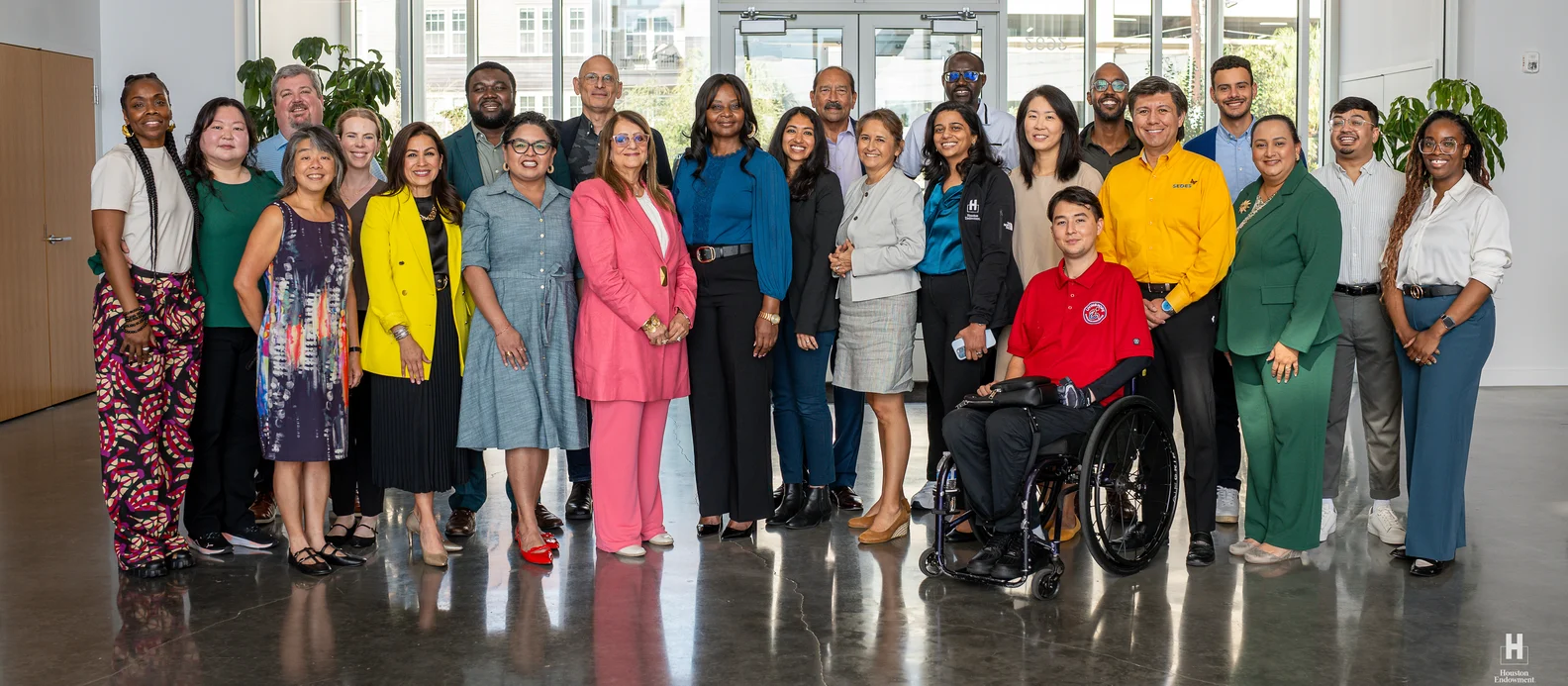
The Citizenship Advisory Committee
Seeing their input accurately externalized allowed participants to more confidently construct a story about themselves—one that could then inform a prototype and, ultimately, a clearly defined concept to help lawful permanent residents begin the citizenship process.
Leaders and pilot participants said the sum of this intense interaction exceeded the parts. Intended to clear a path for Houstonians to naturalize, the human-centered design process also strengthened an already dedicated network of immigrant and human service organizations over two years.
Two years after the project began, agency leaders said their capacity to take on new priorities—such as food distribution, English classes and advocacy—has grown significantly.
By the numbers, participant satisfaction was overwhelming: 98 percent said they would recommend the community support programs (Support Circles and Navigator Program) to others, and the average participant’s confidence grew by 26%, with numerous participants moving directly to filing their N-400 paperwork after the program.
“The biggest impact we saw was really within the organizations,” said Diep, of BPSOS- Houston. “We were doing the work, but before this, many of us didn’t have the capacity to help our clients take the next step. And every year in this work is so different. This year is so different from last year!”
The Dalberg-led process achieved major strides both in citizenship education and in the nonprofit ecosystem, she said.
“They brought to the forefront the fact that more than 360,000 people in Houston are eligible for citizenship—and they’re not applying,” Diep said. “It gave us a chance to step back and look more closely: what do we really understand about the community? That’s something we rarely do because we’re so deep in the trenches. I think every organization should do this every year.
Like many program partners, the nonprofit System for Education Empowerment and Success(opens in new window) (SEDES) had been deeply engaged in community work for years.
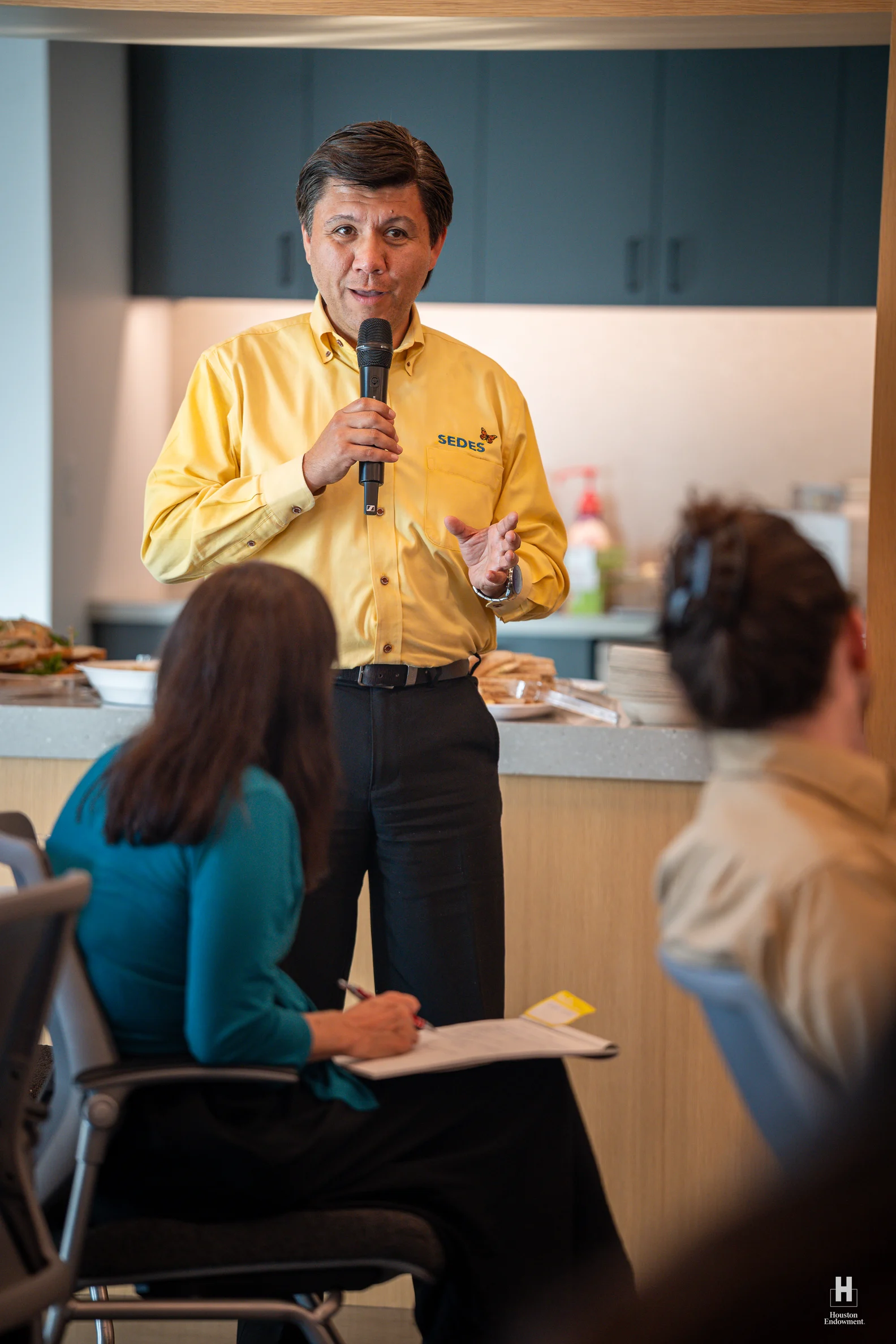
“Our work has always centered on serving the immigrant communities in Houston, where we've built strong relationships and trust over time,” said president and CEO Luis García-Alvarez(opens in new window).
García-Alvarez said he most valued the new relationships he built with other nonprofits, especially Memorial Area Ministries(opens in new window) and Houston Volunteer Lawyers(opens in new window). As a result, SEDES is planning on applying for Department of Justice Recognition and Accreditation.
“I never would have had this idea before,” he said. “Through this collaboration, we have significantly expanded our capacity. We are now implementing a citizenship Navigator Program, in which trained navigators provide one-on-one support, information, and referrals to community members throughout their naturalization journey.”

Luis García-Alvarez
The citizenship project, meanwhile, benefited from SEDES’ credibility with Houston’s 10,000 Garifunas—a vibrant group of Afro-Indigenous Central Americans from Honduras, Nicaragua and Guatemala. While many are eligible for citizenship, García-Alvarez said the community traditionally trusts elders for guidance. García-Alvarez tutored one of the elders 15 years ago for a GED diploma, and that relationship helped him extend citizenship support to the Garifuna community.
The project’s process also helped avert mistakes that could have tripped up less engaged researchers. Ortega-Hogue noted that Dalberg followed her advice to hire familiar Houston marketers Big Oak Tree Media and influencers for the multilingual outreach campaign—an assignment traditional consultants might have handed off to a national agency.
Wellspring consultant Alonso Perez-Putnam(opens in new window), who wrote curricula for two of the pilot concepts, also benefited from local guidance.
“Our citizenship Support Circles were based on a mental health model,” he said. “We gained an appreciation for how traumatic the conversations around the topic of immigration could be. A younger man from Cuba almost burst into tears about the pain of migration, about not even being able to give his child candy in Cuba. It wasn’t even directly in regard to citizenship. So we made sure there was training and space for talking about this kind of experience.”
In response, the research team worked closely with community partners to put in place a set of support tools and mechanisms to safeguard the emotional safety of participants.
Community members also offered cultural insights that sometimes surprised even agencies working closely with them: the preferred news source for many elderly Latine and Asian residents (TikTok); the most trust-inspiring persona for online citizenship education (someone in office attire); the added credibility of official logos on social media posts; the role of confidence in English skills; and generational preferences in reading materials (digital for millennials, paper for seniors). Congolese and other refugees, they found, needed far less orientation about naturalization than immigrants who had never dealt with U.S. bureaucratic processes.
While the design process shaped programming and outreach, many nonprofit partners said it mattered most in building a shared sense of purpose during a period of profound uncertainty.
“This program came at the right time.”
- Luis García-Alvarez
“This program came at the right time,” said SEDES leader García-Alvarez.
The human-centered approach of the Greater Houston Citizenship project enabled SEDES to benefit from newly forged institutional partnerships.
“This is a truly innovative initiative,” he reflected. “There are programs out there, but they are isolated. Now we have a strong, informal coalition of organizations working together. When I tell colleagues about this, they’re amazed. They have never seen organizations working together like this. We cannot lose this momentum: not only for continuity, but I would like to see this model in other cities.”

Houston Endowment would like to thank the following community members, whose participation on the Citizenship Advisory Committee was essential to the success of this initiative.
Houston Endowment supported the Greater HoustonCitizenship Project as a learning and capacity-building effort for the region's naturalization ecosystem. The foundation provided funding, convening support, and space for partners to test community-designed approaches in real time. The project compensated community members for their expertise, supported nonprofit partners' participation, and invested in practical tools that organizations can adapt for their own work.