Houston Endowment is first philanthropy headquarters to achieve LEED Platinum O+M status
Listen to the audio transcription for this article:

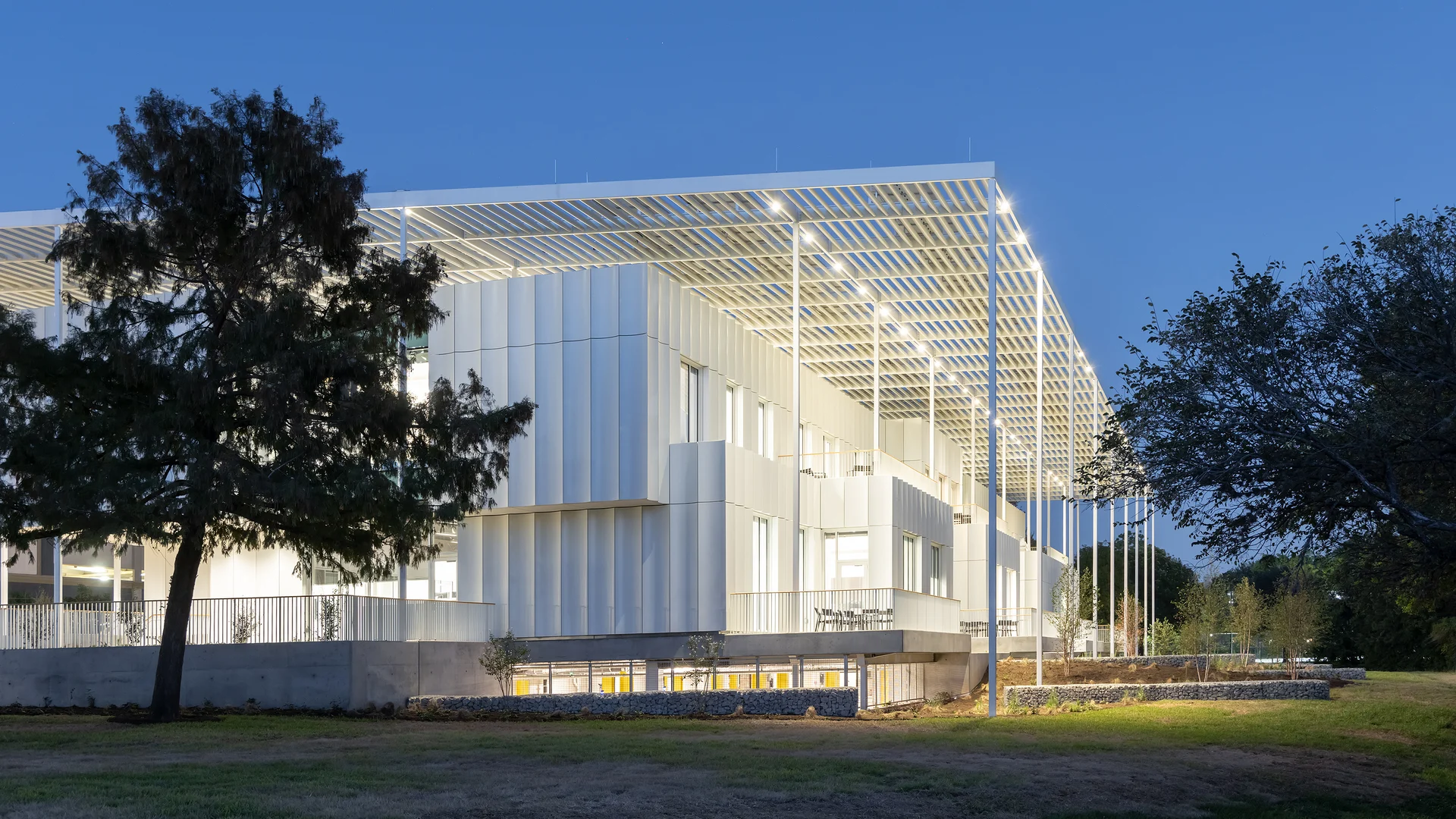
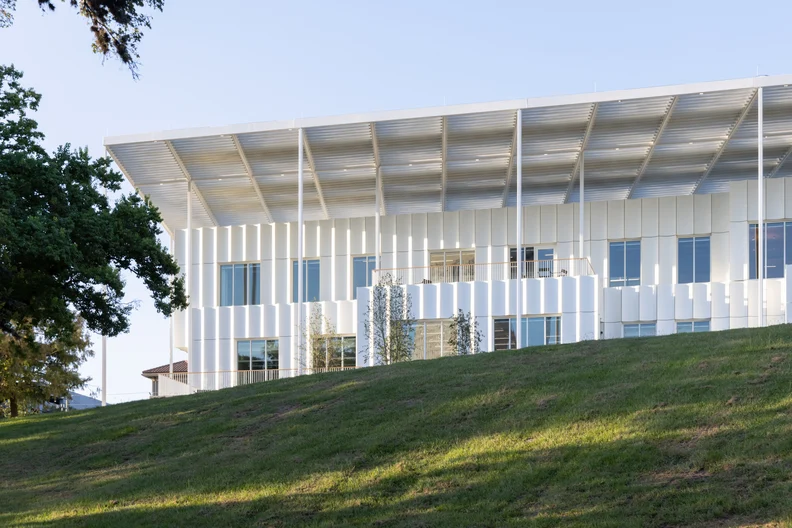
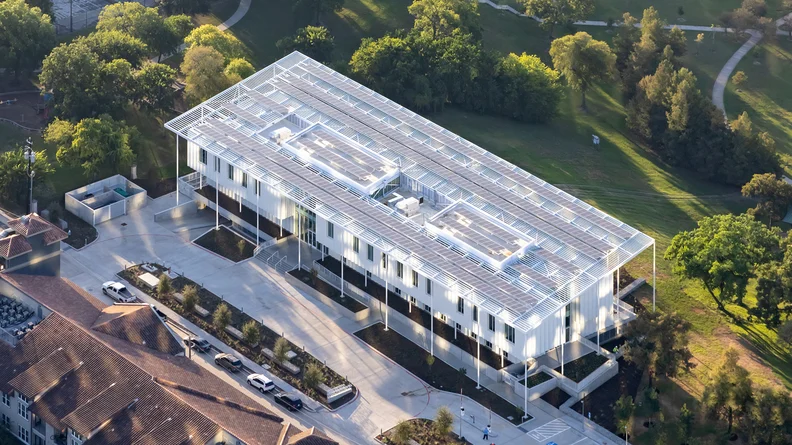
When Houston Endowment opened its new headquarters in 2022, there was a visible commitment to sustainability: Solar panels covered the rooftop, native landscaping filled flowerbeds, and cross-laminated timber beams brought the eco-friendly structure into plain sight.
But that was just the foundation. Houston Endowment recognized that a building was only as sustainable as the operations inside of it, and facilities leadership strategized how to measure, optimize, and amplify the environmentally friendly aspects of the building.
Their efforts paid off. In late 2025, Houston Endowment received LEED Platinum Operations and Maintenance (O+M) certification—a distinction reserved for buildings that don’t just promise sustainability, but practice it, every day.
“One of our team’s main jobs is to be responsible stewards of our resources,” said Katie Niemann, IT and building operations director. “From the outset, our highest priority was ensuring that we took care of the environment, and by extension, the Houston community. Receiving LEED certification is confirmation that we’ve remained true to that commitment.”
Small steps, big difference
The Houston Endowment office is the first philanthropy headquarters in the U.S. to achieve LEED Platinum O+M, and among a handful of buildings in Texas. The distinction is awarded to those who have met standards in water efficiency, energy and atmosphere, materials and resources, indoor environmental quality, and innovation in design.
Among these efforts included seemingly simple, yet impactful tactics such as adding native groundcover to reduce erosion; auditing waste streams; establishing recycling programs for glass and batteries while securing a vendor to handle appliance recycling; replacing air filters with higher quality products to capture smaller particulate matter; and replacing plastic water bottles with a water refill station.
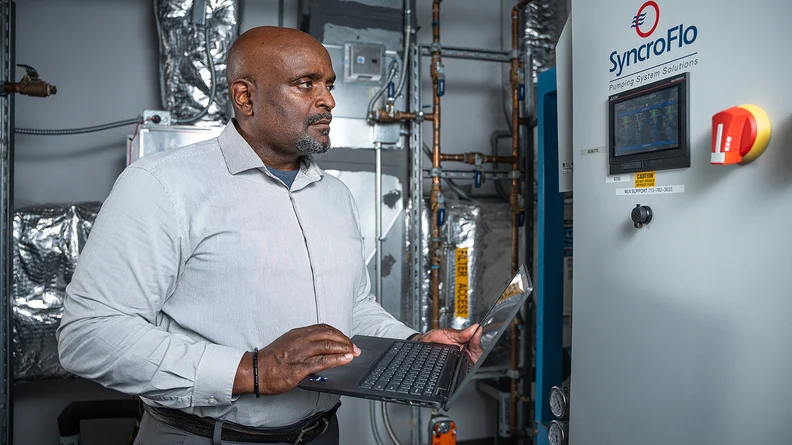
Other tasks—like those that helped the team achieve Energy Star certification—require continual monitoring, optimization, and an acute focus to ensure the building continues to uphold sustainable standards.
“It’s inspiring to see how our sustainability journey has steadily evolved from early efforts in waste recycling,” said Rod Turner, facilities manager. “Each step, from e-waste and battery recycling to landscape waste diversion, represents a deeper commitment to doing better. We have a willingness to keep learning, adapting, and finding new opportunities to improve. We see sustainability not as a destination, but as an ever-evolving practice and that drives our next undertaking.”

The Channel Newsletter
A monthly newsletter full of the work that moves us, the stories that inspire us, and the community that drives us.