Houston Endowment convenes regional arts data leaders to strengthen collaboration and advocacy
Listen to the audio transcription for this article:
Houston-area arts organizations are working together to better understand—and better explain—their impact amid a rapidly changing environment that includes rising costs and uncertain public funding, which make it harder to sustain their work. To address this challenge, Houston Endowment recently convened a group of regional and statewide arts leaders to focus on one tool they say could make a difference: shared data.

“The ground beneath us is consistently shifting,” said Bao-Long Chu, arts & culture program director at Houston Endowment. “Public funding is insecure. Costs are rising. Everything is just so much more difficult.”
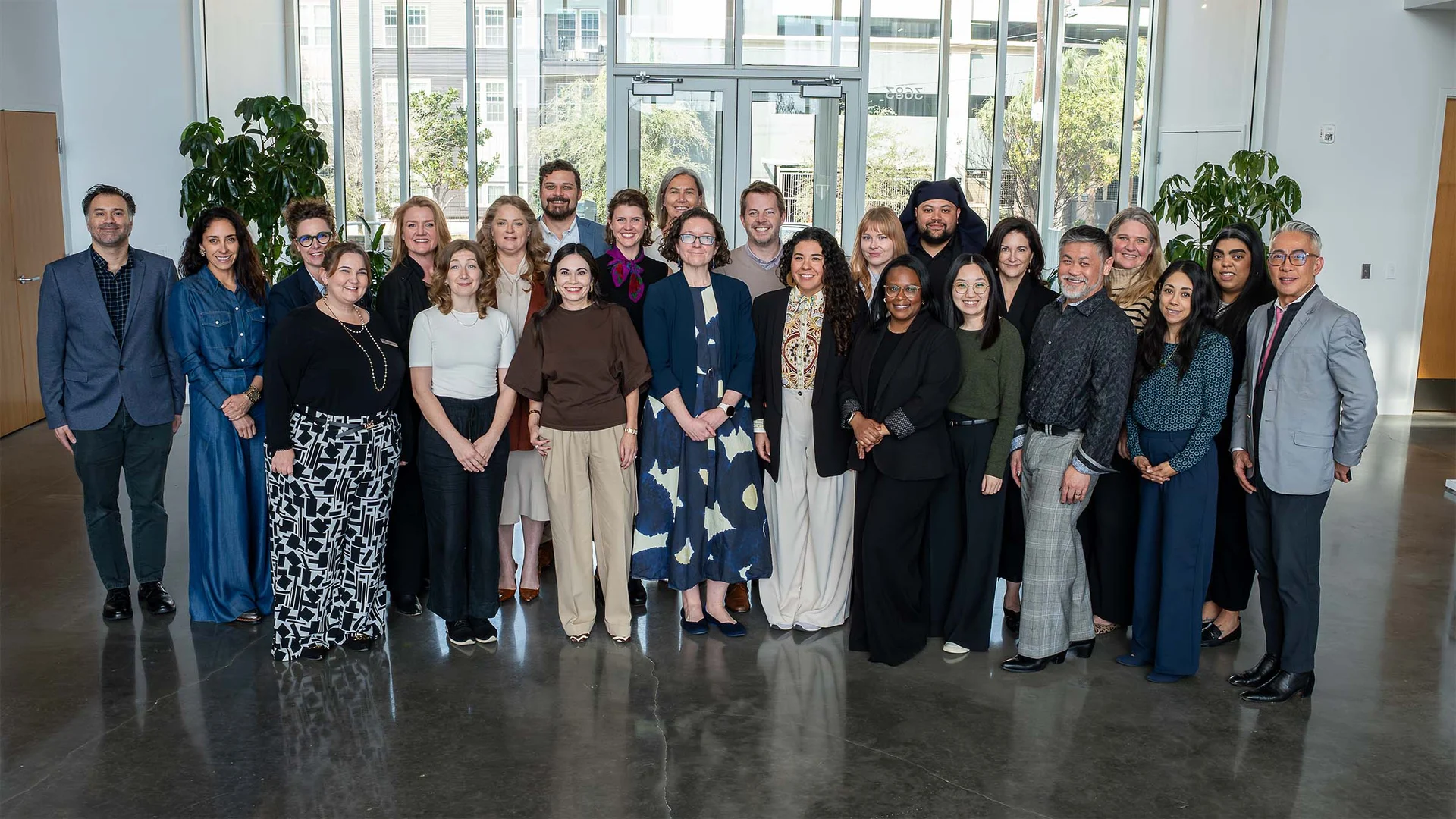
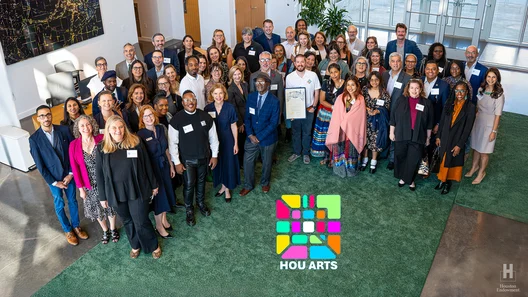
Participants included partners from SMU DataArts(opens in new window), Arts Connect Houston(opens in new window), BIPOC Arts Network & Fund(opens in new window), Fresh Arts(opens in new window), Hatch Creative Strategy(opens in new window), HouArts in Action(opens in new window), Houston Arts Alliance(opens in new window), Harris & Eliza Kempner Fund(opens in new window), Texans for the Arts(opens in new window), Texas Cultural Trust(opens in new window), and Weingarten Art Group(opens in new window), as well as representatives from the City of Galveston(opens in new window), the City of Houston(opens in new window).
Many are already collecting information about the arts sector, but often independently. Without clear, coordinated data, it’s difficult to make a compelling case for the arts to policymakers, funders, and civic leaders, said Chu. “If you don’t know, you can’t act. We need to be able to take effective action based on effective information.”
Houston Endowment has supported arts and culture since its founding in 1937. Over time, the Foundation’s approach has evolved to focus not only on supporting individual organizations, but also on strengthening the broader arts ecosystem.
“As we continue to evolve, what we are seeing is that the sector is more than just a list of organizations,” Chu said. “The sector has a behavior and can take action. And the sector is capable, when speaking together, to make large changes.”
Leaders at the convening discussed how stronger coordination around data could help the sector improve advocacy efforts, inform public-private partnerships, and give decision-makers a clearer picture of the arts’ role in the region. The group also focused on reducing duplication and increasing the usefulness of existing data. By sharing information and aligning efforts, organizations can save time and generate insights that would be difficult to see individually.
“One of the purposes we want to hold as part of this working group is better communication and collaboration,” said Jen Benoit-Bryan, executive director of SMU DataArts. “I have already seen so many ideas spark from these closer ties that have been phenomenal—ideas that save time, increase the quality of what we’re doing, or increase the value of our work.”
At the same time, participants emphasized that beyond numbers, understanding the arts sector requires capturing the experiences of artists and communities.
“Data is lived experience,” said Sixto Wagan, executive director of the BIPOC Arts Network & Fund. “Data is people. We will continue to bring that qualitative voice into this space.”
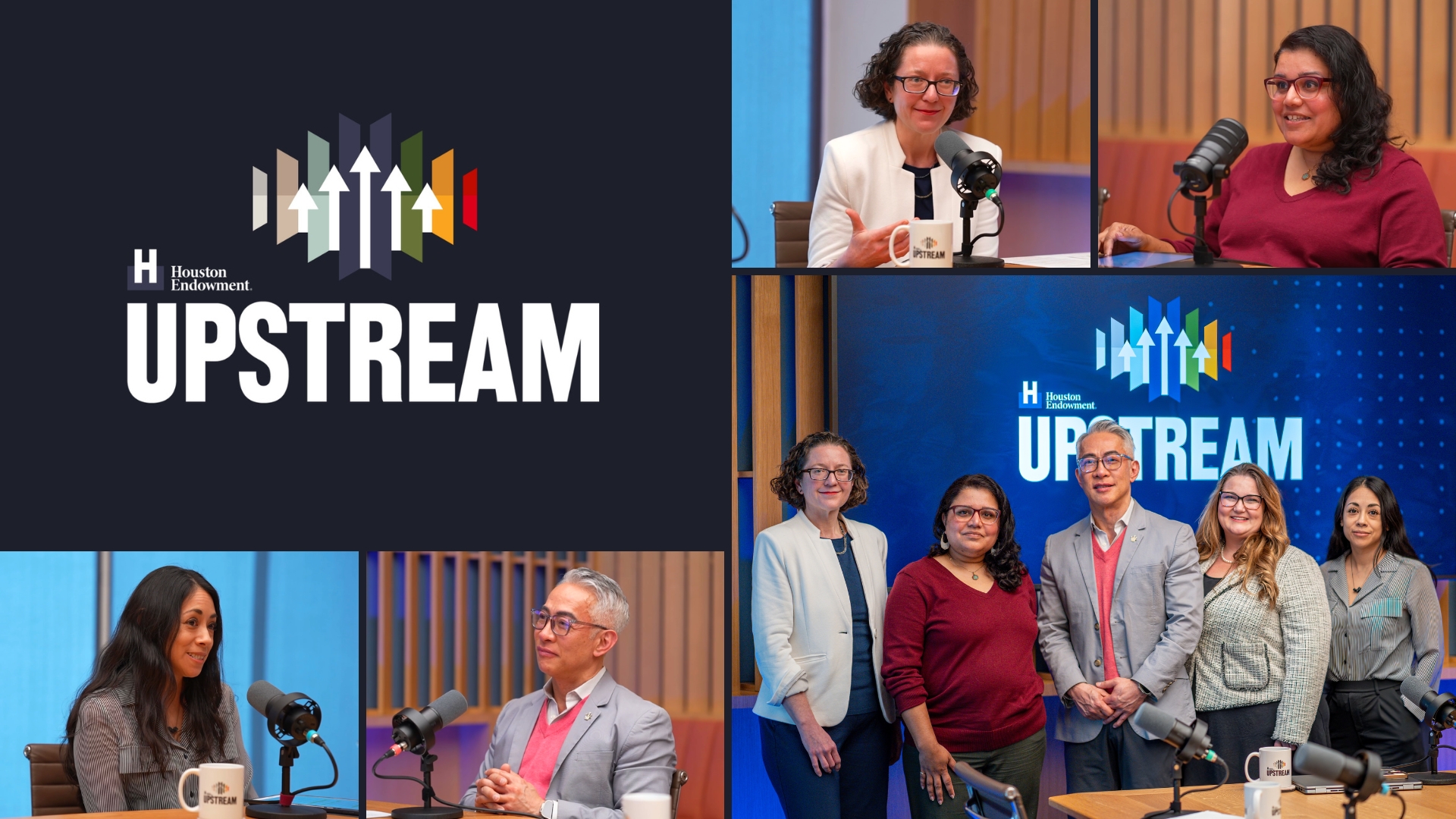
Some organizations are already contributing to that effort. Fresh Arts, for example, is leading the Greater Houston Artist Survey,(opens in new window) which aims to better understand how artists are working and what challenges they face.
“It’s intended to better understand our working artists in Houston and their needs,” said Fresh Arts(opens in new window) Executive Director Angela Carranza. “Where are they? Where have they moved since 2021? Where are the areas of opportunity, and what are the barriers and challenges that are preventing them from having a career in Houston?”
Fresh Arts has served individual artists in the region for more than two decades through professional development programs, fiscal sponsorship, and cultural district initiatives.
The roundtable is expected to continue as an ongoing working group, with the goal of strengthening coordination across organizations already working with arts data.
For Houston Endowment, the effort is part of a broader push to help the arts sector communicate its value more clearly—and more collectively—to help shape its future and pursue new opportunities for support.
“We want to provide the resources, encouragement, collaboration, and incentives for new ideas so that we can achieve our goals,” Chu said. “By achieving those goals, the arts sector in Greater Houston is better for it.”

The Channel Newsletter
A monthly newsletter full of the work that moves us, the stories that inspire us, and the community that drives us.
Related Posts
-
Houston region’s first arts forum is a sector-wide celebration
Learn More (Houston region’s first arts forum is a sector-wide celebration) -
Telling their story together: The arts sector unites
Learn More (Telling their story together: The arts sector unites) -
Cultural Districts celebrate arts vision
Learn More (Cultural Districts celebrate arts vision)